
Last Updated on March 26, 2026 by asadsultan270@gmail.com
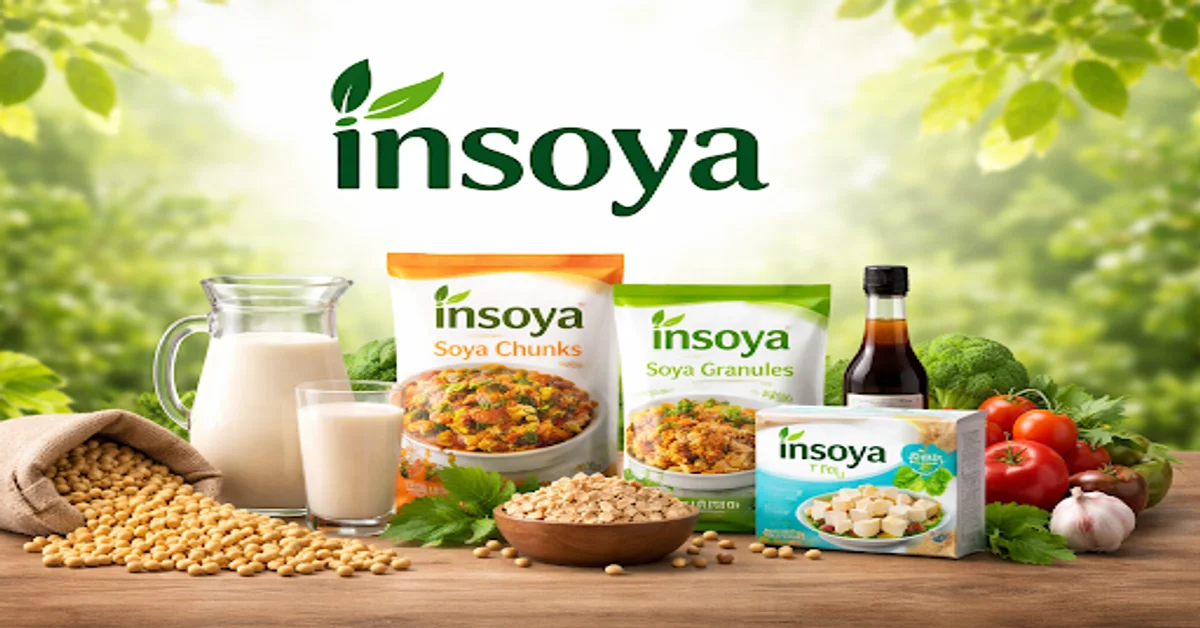
Insoya is emerging as a practical, high-quality plant protein that blends modern processing with traditional soy benefits. Whether you’re a busy athlete hunting for clean protein per serving, a parent looking for fortified non-dairy options, or a home cook curious about textured soy protein (TSP/TVP), insoya promises versatility, nutrition, and sustainability. Mentioned early and often in this guide, insoya will be the thread that ties science, recipes, buying tips, and safety together.
This article gives you a clear, expert-framed roadmap: what insoya is, how it’s made, its nutrition and health profile, creative ways to cook it, buying pointers, and safety notes you can trust. Wherever helpful, I reference authoritative bodies and practical resources so you — and the people who read your content — feel confident acting on the information.
RELATED: TXCOVIDTEST: Texas Testing Made Easy
What is Insoya? — Definition & origin
Definition and modern meaning
Insoya is a contemporary label used to describe a new class of soy-derived products that emphasize high protein content, improved digestibility, and broader culinary application. Unlike basic soy flour or plain tofu, insoya often refers to processed forms such as soy protein isolate, textured soy protein (TSP/TVP), and specially fermented soy concentrates that are formulated for sports nutrition, baking, and meat-alternative recipes. The term is as much a marketing and innovation umbrella as it is a technical descriptor — think “next-generation soy.”
How it differs from traditional soy products
Traditional soy foods—like whole soybeans, tofu, tempeh, and soy milk—are minimally processed and valued for their natural profile. Insoya products, by contrast, often go through isolation, concentration, or targeted fermentation steps to increase protein per serving, reduce anti-nutrients, and create neutral flavors that mix easily into shakes, soups, and baked goods. These processing choices make insoya attractive to consumers who want plant-based protein that behaves more like whey or casein in recipes. The industry perspective on soy product categories and benefits can be found through groups such as the Soyfoods Association of North America.
Nutritional Profile of Insoya — Protein, vitamins & more
Protein quality and amino acid profile
One of insoya’s strongest claims is its protein quality. Many insoya formulations use soy protein isolate, which retains the essential amino acids required for a “complete protein” — meaning it supplies all nine essential amino acids in usable amounts. That makes insoya a reliable plant-based protein source for muscle repair and daily protein needs. Protein per serving can vary by product, but high-quality isolates often provide 20+ grams per scoop in powdered forms or concentrated amounts when used as textured pieces.
Micronutrients, isoflavones and bioavailability
Insoya may be fortified with nutrients such as vitamin B12, iron, or omega-3s, and many whole-soy derivatives contain isoflavones (genistein, daidzein) — plant compounds often discussed under the umbrella of phytoestrogens. These bioactive molecules have been studied for potential benefits, like easing menopausal symptoms, though effects vary by dose and individual response. Processing aimed at increasing bioavailability (for example, fermentation) can lower anti-nutrients and enhance mineral absorption, which is why some insoya products specifically market improved digestibility. For a balanced take on soy nutrition and recommendations for different groups, guidance from the British Dietetic Association is a helpful reference.
How Insoya is Made — Processing, fermentation & formats
Soy processing techniques: isolate, concentrate, textured soy
Insoya products commonly use three core processing paths: soy protein isolate (high-protein, low-fat), soy protein concentrate (moderate protein, more fibre), and textured soy protein (TSP/TVP) made by extruding protein concentrates into chunk or mince shapes. The isolate route removes much of the fat and carbohydrate, yielding a neutral-tasting powder ideal for shakes and bars. Textured variants rehydrate into meaty bites and are often used as mince substitutes. These processing steps are standardized within food-science frameworks and are documented in food-substance references.
Fermentation and digestibility improvements
Fermentation — used for traditional foods like tempeh and miso — is also applied in modern insoya lines to improve flavor, reduce anti-nutrients, and enhance digestibility. Fermented insoya tends to be gentler on the gut for some people and retains beneficial microbial metabolites. When shopping, labels that mention “fermented” or “enzymatically pre-digested” often signal extra steps aimed at better tolerance and bioavailability. Comparisons with simple soy milk or tofu clarify why some consumers prefer insoya for athletic or therapeutic uses.
Health Benefits of Insoya — Evidence and practical effects
Muscle building, sports nutrition and satiety
Because insoya can deliver a complete amino acid profile and high protein per serving, it’s a credible option for muscle maintenance and growth when coupled with resistance training. Many athletes use soy isolates as a non-dairy alternative to whey; studies show plant proteins can support hypertrophy when total daily protein is sufficient. The quality of the protein and the serving size matter: look for clear protein-per-serving labels and consider fortified formulas if you need added micronutrients.
Heart health, menopause and digestive support
Soy foods have been linked in numerous analyses to favorable effects on cholesterol and heart risk factors — though regulatory messaging has evolved and may be nuanced. Soy isoflavones are also studied for potential to ease vasomotor symptoms in menopause, but results vary and benefit tends to be modest. Insoya’s fermentation and processing choices can reduce anti-nutrients and improve digestion for many people; nevertheless, individuals with thyroid issues or infants on soy-based formulas should consult professionals. Guidance from national dietetic bodies supports the inclusion of soy as part of a varied diet.
Culinary Uses & Recipes — How to cook with Insoya
Forms and simple preparation techniques
Insoya comes in powders, textured chunks, and ready-to-cook crumbles. Powders mix cleanly into smoothies and pancake batters; textured chunks rehydrate in hot water or broth for 5–10 minutes and absorb flavor like mushrooms or minced meat; crumbles can be sautéed for tacos, Bolognese, or protein bowls. Because many insoya forms are neutral-tasting, they’re ideal for savory and sweet preparations alike.
Four quick, versatile recipe ideas
- Insoya Protein Shake — 1 scoop insoya powder, 300 ml plant milk, banana, cinnamon, and a spoon of nut butter. Blend and enjoy for an easy breakfast.
- Insoya Stir-Fry — Rehydrate textured chunks, then stir-fry with garlic, ginger, mixed vegetables, and a splash of soy sauce for a quick weeknight meal.
- Insoya Nuggets — Blend rehydrated crumbles with breadcrumbs and spices, shape, coat, and bake for a crispy snack.
- Insoya Bolognese — Sauté onions and garlic, add rehydrated crumbles, canned tomatoes, herbs, and simmer for a hearty pasta sauce.
Each recipe provides a protein boost and is suitable for meal prep — store portions refrigerated for 3–4 days or freeze for longer shelf life. Use “insoya recipes,” “how to cook with insoya,” and “insoya meal prep ideas” as anchor phrases for recipe cards on your site.
Buying Guide & Product Comparison — Choose wisely
What to look for on labels
When you buy insoya, check: grams of protein per serving, ingredient list (short is better), fortification (B12, iron, omega-3 if you need them), allergen statements, organic/non-GMO seals, and whether the product is fermented or enzymatically treated for digestibility. Decide between isolates (higher protein density), concentrates (more fiber), and textured soy (culinary versatility) based on your use case. Label claims about “complete protein” and protein per serving are useful, but confirm numbers rather than relying on buzzwords.
Where to buy and product categories
Insoya appears in health-food stores, major retailers, and online marketplaces; many reputable brands now list full lab-tested nutrition panels. If you want industry-level information or product guidance, review resources from the Soyfoods Association of North America or standardized food-substance databases that note ingredient processing. For consumer safety and labeling standards, consult national regulators to verify allowed claims.
Sustainability & Industry Trends — Why Insoya matters for the planet
Soy as a sustainable protein source
Compared with most animal proteins, soy generally has a lower carbon footprint per gram of protein and uses land and water more efficiently when responsibly farmed. Insoya products — because they concentrate the protein and often require less resource-intensive inputs than animal production — can be part of a more climate-friendly diet. That said, sustainability depends on farming practices (e.g., deforestation avoidance, crop rotation) and supply-chain transparency.
Market trends and future directions
Insoya sits at the intersection of two big trends: the rise of plant-based diets and the demand for functional, fortified foods. Expect more fermentation-forward products, blends that pair soy with other plant proteins for taste and texture, and formulations targeted at specific demographics (athletes, older adults, or those seeking heart-healthy options). These shifts reflect both consumer interest and evolving food-tech investment.
Safety, Allergies & Controversies — Balanced guidance
Soy allergies and intolerance
Soy is a recognized allergen for some people; symptoms range from mild digestive upset to severe allergic reactions. For infants or children, soy-based baby formula is only recommended in particular circumstances and should be used under professional advice. Always read allergen labels and consult a qualified professional if you suspect soy intolerance. Guidance and clinical resources developed by dietetic specialists are useful for people navigating soy allergies.
Phytoestrogens, regulatory notes, and evidence clarity
Phytoestrogens in soy have raised questions about hormonal effects, but aggregated evidence suggests typical dietary soy intakes do not harm hormone levels in men or fertility; effects in women (especially around menopause) are mixed but may be beneficial for some. Regulatory stances evolve: for example, the U.S. Food and Drug Administration has reviewed soy and heart-health claims and continues to refine allowable labeling language — which is why careful citation of regulator pages is useful when making health claims. For global nutrient guidance, reference documents from the U.S. Food and Drug Administration and the World Health Organization are recommended.
Summary
Insoya represents a flexible, high-quality plant protein family that blends modern processing with the established nutritional strengths of soy. It can support athletes, vegetarians, and busy cooks looking for protein per serving, complete amino acids, and eco-friendly meal options. When chosen thoughtfully — paying attention to processing, fortification, and certifications — insoya can be a dependable part of a balanced diet.
If you’re trying insoya for the first time, start with a small, well-labeled product and test recipes like shakes or stir-fries. If you have medical conditions, are pregnant, breastfeeding, or managing a thyroid disorder, consult a registered dietitian or your healthcare provider for personalized guidance. Consider subscribing for recipe updates and downloadable recipe cards that use insoya in effortless ways.
RELATED: Itzhak Ezratti Wife: Family Life Story
Frequently Asked Questions
What is Insoya, and how does it differ from regular soy?
Insoya is a modern category of soy products (isolates, concentrates, textured soy) that emphasizes high protein and improved digestibility compared with many traditional soy foods. Traditional soy like tofu or tempeh is less processed; insoya often uses targeted processing to achieve a specific function (e.g., a neutral-flavored protein powder).
How much protein is in a serving of Insoya?
Protein per serving varies by format. Many powders provide 18–30 g per scoop; textured forms will vary depending on concentration. Always check the nutrition panel for “protein per serving.”
Is Insoya safe for people with soy allergies?
No — if you have a diagnosed soy allergy, avoid insoya products. Those with mild sensitivities should start with a small serving and consult a qualified professional if symptoms appear.
Can athletes use Insoya for muscle gain?
Yes — when total daily protein intake and training stimulus are adequate, insoya protein (especially isolates) can support muscle maintenance and growth as part of a balanced plan. Compare protein per serving and amino acid profiles when choosing a product.
How do I cook with Insoya powder or chunks?
Powders blend into shakes, batters, and soups. Textured chunks rehydrate in hot liquid and absorb flavors; crumbles sauté quickly for tacos or sauces. Start with simple recipes — like an insoya shake or stir-fry — to learn texture and hydration times.
Is Insoya environmentally sustainable and vegan-friendly?
Generally yes — soy has favorable protein yields and lower greenhouse impact than many animal proteins when responsibly farmed. Insoya products are typically vegan, but check packaging for specific certifications and sourcing claims.