
Last Updated on March 17, 2026 by asadsultan270@gmail.com
Adenoidid is a search term many parents use when their child struggles with a blocked nose, snoring, or recurring ear infections. While the term itself is not officially recognized in medical textbooks, it is commonly associated with adenoids, Adenoiditis (inflammation of adenoid tissue), or Adenoid hypertrophy.
This guide is written and medically reviewed based on established ENT (Otolaryngology) principles and pediatric consensus. Our goal is simple: give you clear, trustworthy, science-based information so you can make confident decisions about your child’s health.
Understanding adenoidid is empowering. Once you know what’s happening inside the nasopharynx, solutions become easier and outcomes more hopeful.
The keyword “adenoidid” is often used online to describe issues related to Adenoids (pharyngeal tonsils). These are small masses of lymphoid tissue located high in the throat behind the nose.
Most searches for adenoidid refer to:
- Adenoiditis
- Enlarged adenoids
- Chronic or acute adenoid infection
The term has grown online because parents are searching for answers quickly—and sometimes spellings vary.
No. “Adenoidid” is not an official diagnosis. However, it strongly relates to medically recognized conditions such as:
- Adenoid hypertrophy
- Upper respiratory tract infection
- Chronic adenoidid (chronic adenoid inflammation)
- Acute adenoidid (short-term infection)
Doctors refer to these under established ENT classifications.
Parents search for adenoidid when they notice:
- Persistent blocked nose
- Loud snoring
- Mouth breathing
- Recurrent ear infections
- Sleep issues
The symptoms are real—even if the search term varies. That’s what matters most.
RELATED: MyLawyer360.com Family: Online Family Law Help
Understanding Adenoids and Their Role
What Are Adenoids?
Adenoids are part of the lymphatic system, which protects the body from infection. They are sometimes called the nasopharyngeal tonsil because of their position and immune function.
They belong to Waldeyer’s ring, a circular arrangement of lymphoid tissues that includes:
- Tonsils
- Adenoids
- Other immune tissues in the pharynx
They act as early defenders during childhood
Location of Adenoids in the Body
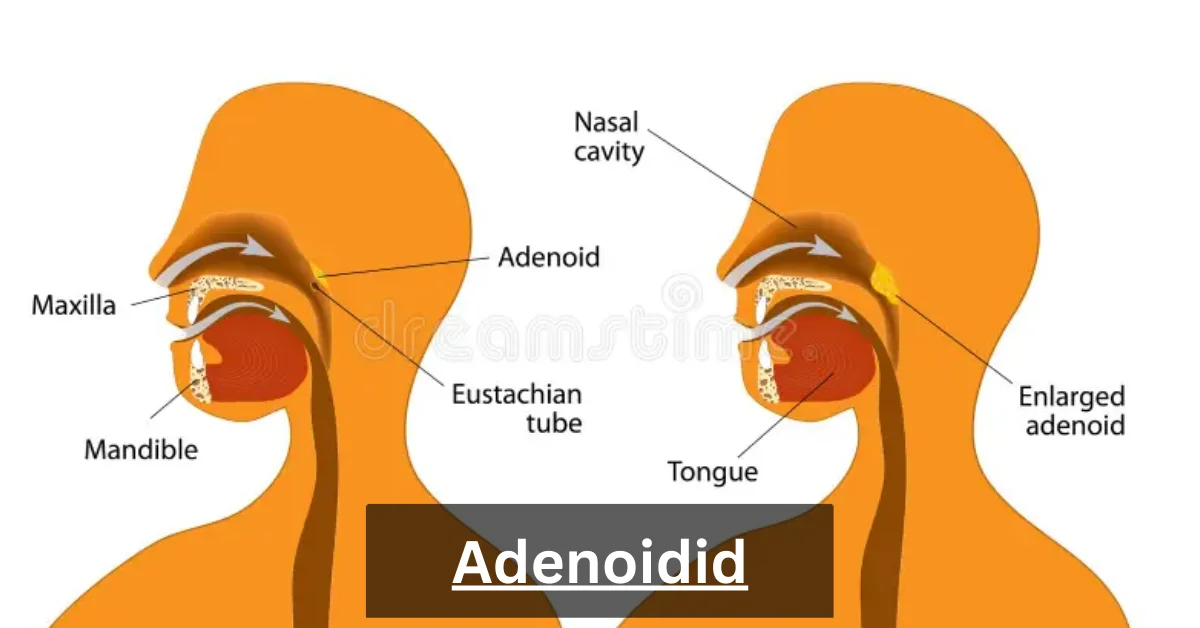
Adenoids sit in the nasopharynx, behind the nasal cavity and above the throat. You cannot see them by opening the mouth.
Because of this location, enlarged adenoidid can block airflow and affect breathing.
Function of Adenoids in the Immune System
In early childhood, adenoids help train the immune system in children by trapping bacteria and viruses entering through the nose.
Over time, as immunity strengthens, adenoids naturally shrink—often by adolescence.
Adenoids vs Tonsils: Key Differences
Both are immune tissues. However:
- Tonsils sit on either side of the throat.
- Adenoids sit higher, behind the nose.
Problems may require Tonsillectomy (tonsils removal alongside adenoidectomy) or isolated adenoid surgery.
Understanding this difference helps avoid confusion during diagnosis.
What Causes Adenoidid?
Bacterial Infections
A common adenoidid cause is bacterial growth. Repeated infections may lead to adenoidid infection and swelling.
Persistent infections may require antibiotics for adenoid infection.
Viral Infections
Many cases begin with a simple cold or Upper respiratory tract infection. Viruses irritate the tissue, leading to inflammation.
In some children, inflammation doesn’t fully resolve.
Allergies and Environmental Triggers
Dust, pollen, and pollution can cause chronic swelling. Allergic inflammation can worsen chronic adenoidid.
Managing allergies often reduces symptoms dramatically.
Chronic Inflammation
Repeated infections cause Adenoid hypertrophy—a persistent enlargement.
This is where enlarged adenoidid becomes problematic.
Risk Factors in Children
Common in:
- Daycare-attending toddlers
- Children with allergies
- Kids with frequent throat infection
- Family history of ENT issues
These are common child ENT conditions.
Common Adenoidid Symptoms
Blocked or Stuffy Nose
A constant blocked nose is one of the most common adenoidid symptoms.
Children may sound congested even without a cold.
Mouth Breathing
When nasal airflow is blocked, children breathe through their mouth. Over time, this may lead to mouth breathing and dental issues.
Loud Snoring
Snoring in children is not always harmless. Enlarged adenoidid can narrow the airway.
Sleep Disturbances
Interrupted sleep affects growth and mood. Severe obstruction can lead to Obstructive sleep apnea.
Recurrent Ear Infections
The adenoids sit near the Eustachian tube. Swelling may cause fluid buildup and repeated ear infections.
Nasal Voice (Adenoidal Voice)
An adenoidal voice sounds muffled or nasal. Speech interference due to adenoid issues can affect confidence.
- Bad Breath
- Chronic infection can produce persistent odor.
- Behavioral Changes in Children
Poor sleep & behavior are closely linked. Snoring & school performance problems often improve after treatment.
Adenoidid in Children vs Adults
Why It’s More Common in Kids
Adenoids are largest between ages 3–7. Pediatric adenoid issues are therefore common.
Rare Cases in Adults
Adult adenoid problems (rare) may signal chronic infection or immune disorders and require evaluation.
Growth and Shrinking of Adenoids Over Time
Adenoids typically shrink during adolescence. Many children “outgrow” mild cases.
How Adenoidid Is Diagnosed
Physical Examination
An adenoid exam begins with history and symptom review.
ENT Specialist Evaluation
An ENT (Ear, Nose & Throat) specialist—also known as ENT (Otolaryngology)—provides expert evaluation.
Nasopharyngoscopy
Nasopharyngoscopy uses a tiny flexible camera to view the adenoids directly. It is safe and quick.
Imaging Tests (If Required)
Occasionally, X-rays assess adenoid hypertrophy.
When to See a Doctor
Seek evaluation if symptoms persist beyond 2–3 weeks or affect sleep, hearing, or growth.
Treatment Options for Adenoidid
Non-Surgical Treatments
- Antibiotics
- Used for acute adenoidid caused by bacteria.
- Nasal Sprays
Steroid sprays reduce swelling safely.
Allergy Management
Antihistamines and environmental control help.
Watchful Waiting
Mild cases may resolve naturally.
Surgical Treatment (Adenoidectomy)
When Surgery Is Recommended
Surgery is considered when:
- Chronic adenoidid persists
- Sleep apnea develops
- Ear infections recur
- Procedure Overview
Adenoidectomy (surgical removal) is a brief pediatric surgery done under general anesthesia.
Is Adenoidectomy Safe?
Yes. It is one of the most common and safest ENT procedures worldwide.
Adenoidid Surgery: What to Expect
Pre-Surgery Preparation
Blood tests and medical review ensure safety.
The Surgical Process
The adenoids are removed through the mouth—no external cuts.
Recovery Timeline
Most children recover in 7–10 days.
Post-Operative Care Tips
Hydration and soft foods help healing.
Possible Complications
Rare but include bleeding or infection. Most outcomes are excellent.
Long-Term Effects of Untreated Adenoidid
Chronic Ear Problems
Persistent fluid may affect hearing.
Sleep Apnea
Untreated obstruction may lead to Obstructive sleep apnea.
Facial Development Issues
Long-term mouth breathing can affect jaw development.
Dental Complications
Open bite and misalignment may occur.
Learning & Behavioral Impact
Sleep deprivation affects focus and mood.
Preventing Adenoidid Complications
Strengthening the Immune System
Balanced diet, vaccines, sleep.
Managing Allergies
- Control environmental triggers early
- Hygiene & Infection Prevention
- Handwashing reduces viral load
Regular Pediatric Checkups
Early detection prevents chronic adenoidid.
Home Remedies & Supportive Care
Steam Inhalation
- Moist air eases nasal congestion.
- Saline Nasal Rinse
Clears mucus safely.
Hydration & Rest
Supports immune recovery.
Humidifiers
Improve nighttime breathing.
Medical Disclaimer
Home remedies support comfort but do not replace professional evaluation. Always consult an ENT specialist for persistent symptoms.
When to Seek Emergency Care
Seek urgent care if there is:
Severe breathing difficulty
- High fever
- Persistent ear pain
- Sleep apnea symptoms
Expert Tips from ENT Specialists
Don’t ignore snoring.
- Track sleep patterns.
- Address allergies early.
- Trust pediatric ENT evaluation.
- Early treatment prevents long-term issues.
RELATED: From Blog PlayBattleSquare: Gaming Guide
Frequently Asked Questions
Is adenoidid the same as adenoiditis?
Not exactly. Adenoiditis is the medical term; adenoidid is a search variation.
Can adenoidid go away on its own?
Yes, mild acute adenoidid often resolves.
How long does recovery take after adenoidectomy?
Typically 7–10 days.
Can adults have adenoidid?
Rarely, but possible.
Is adenoidid dangerous?
Usually not. Early diagnosis ensures excellent outcomes.
Summary
Adenoidid is a commonly used online term referring to conditions related to the adenoids, such as inflammation (adenoiditis) or enlargement (adenoid hypertrophy), which often cause symptoms like blocked nose, snoring, mouth breathing, and recurrent ear infections in children. Although not a formal medical diagnosis, it represents real ENT concerns that can affect sleep, behavior, and overall health if left untreated. Diagnosis is typically done by an ENT specialist, and treatment ranges from medications and allergy management to adenoidectomy in more severe cases. With proper care and early intervention, most children recover well and experience significant improvement in breathing, sleep, and quality of life.