
Last Updated on March 9, 2026 by asadsultan270@gmail.com
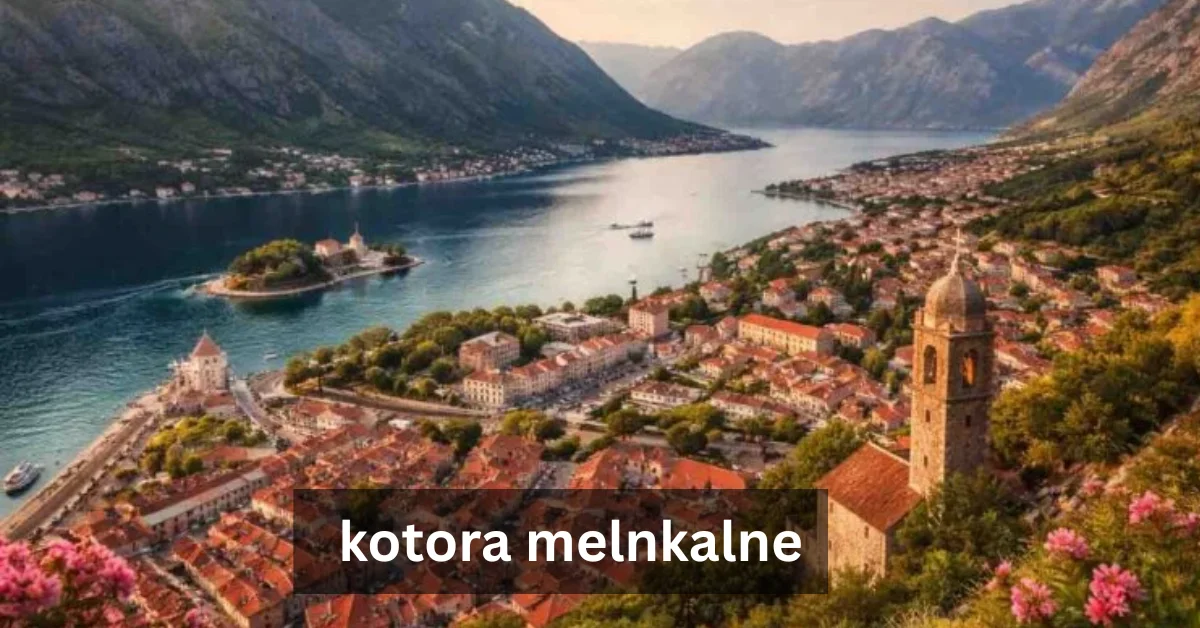
Kotora Melnkalne is a poetic name often used to describe the enchanting town of Kotor, Montenegro. While it may not appear on official maps, the term evokes the mystique, history, and natural beauty of this Adriatic gem. Travelers and writers alike use “Kotora Melnkalne” to capture the dramatic scenery, medieval architecture, and cultural depth that make Kotor so unforgettable.
The name “Kotora Melnkalne” combines stylistic interpretations: “Kotora” for Kotor, and “Melnkalne,” reminiscent of “black mountain,” reflecting Montenegro’s literal meaning. This lyrical twist highlights the town’s setting amid fjord-like bays, rugged cliffs, and forested mountains. It’s a name that stirs curiosity and paints vivid imagery before a visitor even arrives.
For travel enthusiasts and writers, Kotora Melnkalne represents history meeting nature. Its UNESCO-listed Old Town, medieval fortifications, and Adriatic vistas create endless opportunities for storytelling, photography, and cultural exploration. Many guidebooks and blogs describe it as a “hidden gem of Montenegro,” perfect for slow tourism and immersive experiences.
Kotor lies along the Bay of Kotor, one of the most picturesque in the world. With its Old Town, San Giovanni Fortress, and rich maritime heritage, Kotor combines adventure, culture, and relaxation. Nearby attractions such as Perast and Lovćen National Park enhance its appeal, making Kotora Melnkalne a destination for travelers seeking history, scenery, and authentic Balkan charm.
RELATED: Klemroot: The Mystery Herb and Its Uses
History of Kotora Melnkalne
Origins of the Medieval Town
Kotor’s history spans centuries, rooted in Roman, Byzantine, and medieval influences. The fortified Old Town was strategically important for trade and defense along the Adriatic. Cobblestone streets, stone squares, and remnants of ancient walls evoke centuries of stories from merchants, sailors, and locals.
Venetian and Austro-Hungarian Influence
During the Venetian Republic era, Kotor flourished as a cultural and commercial hub. Venetian architecture, intricate facades, and fortified walls remain today, demonstrating the city’s European ties. Later, Austro-Hungarian rule added neo-classical touches, blending diverse architectural styles that visitors admire in the Old Town.
UNESCO World Heritage Designation
The Natural and Culturo-Historical Region of Kotor is a UNESCO World Heritage Site, protecting both the town and its surrounding landscapes. This designation ensures the preservation of historic buildings, medieval fortifications, and scenic bay views for future generations.
Historical Landmarks in Kotora Melnkalne
Key landmarks include St. Tryphon’s Cathedral, a 12th-century marvel, and the Maritime Museum of Montenegro, which chronicles the town’s seafaring legacy. San Giovanni Fortress, perched above the Old Town, provides panoramic views while serving as a testament to centuries of defense against invaders.
Geography and Natural Beauty
Bay of Kotor: Fjord-like Scenery
The Bay of Kotor resembles a fjord, with winding waterways, cliffs, and sparkling Adriatic waters. Its calm waters and dramatic inlets make it a paradise for photography, sailing, and scenic relaxation.
Lovćen and Orjen Mountain Ranges
The nearby Lovćen Mountains and Orjen range offer hiking, nature walks, and stunning viewpoints. Lovćen National Park, accessible from Kotor, combines biodiversity with cultural heritage, including the mausoleum of Petar II Petrović-Njegoš.
Coastal Cliffs and Adriatic Vistas
From coastal promenades to fortress trails, Kotora Melnkalne offers sweeping Adriatic vistas. The contrast of blue waters against green hillsides and medieval architecture creates a visual feast, perfect for travelers and photographers.
Hidden Beaches and Secret Viewpoints
Secluded beaches and quiet coves provide peaceful escapes. Locals often recommend smaller spots along the bay where visitors can enjoy the sea in solitude, enhancing the “hidden gem” reputation of Kotora Melnkalne.
Exploring Kotora Melnkalne Old Town
Narrow Cobblestone Streets and Architecture
Kotor Old Town is a maze of narrow streets, squares, and stone buildings. Each corner reveals history, from medieval residences to ornate churches. The Old Town’s architecture is a living museum reflecting Venetian, Byzantine, and Austro-Hungarian styles.
St. Tryphon’s Cathedral and Key Churches
St. Tryphon’s Cathedral is a centerpiece, famous for its Romanesque design and centuries-old relics. Other churches, chapels, and monasteries enrich the spiritual and cultural fabric, offering insights into the town’s religious heritage.
Local Markets, Artisan Shops, and Squares
Local markets and artisan shops showcase handcrafted souvenirs, Montenegrin wines, and traditional foods. Squares like Gundulić Square are gathering places where history meets contemporary life.
Fortifications and the San Giovanni Fortress Hike
Hiking up to San Giovanni Fortress rewards visitors with panoramic views of the bay and Old Town. The climb, part of Kotor’s medieval defense system, combines history, adventure, and breathtaking scenery.
Culture and Traditions
Festivals: Kotor Carnival and Boka Night
Kotora Melnkalne comes alive during local festivals. Kotor Carnival offers music, parades, and vibrant costumes, while Boka Night celebrates maritime heritage with boat parades and fireworks.
Montenegrin Folklore and Maritime Heritage
Local folklore blends myths, legends, and maritime tales. Storytelling, traditional music, and dances keep history alive, immersing visitors in centuries-old customs.
Cat Culture in the Old Town
Kotor’s streets are famously populated by friendly cats, considered guardians of the town by locals. Their presence adds charm and authenticity to the visitor experience.
Local Music, Dance, and Storytelling
Traditional Montenegrin music, dance performances, and oral storytelling connect travelers with the region’s identity, creating lasting memories beyond sightseeing.
Food and Culinary Experiences
Traditional Dishes: Black Risotto, Buzara, Njeguški Pršut
Local cuisine highlights seafood and Balkan specialties. Black risotto, prepared with squid ink, is a must-try, while Buzara, a shellfish dish, reflects Adriatic flavors. Njeguški pršut, smoked ham from nearby Njeguši, is a regional delicacy.
Local Wines: Vranac and Others
Montenegrin wines, particularly Vranac, complement meals and offer a taste of local viticulture. Wine tasting experiences in Kotor provide insight into centuries of winemaking tradition.
Dining by the Bay of Kotor
Waterfront restaurants serve fresh seafood with stunning views. Dining by the bay is not just a meal; it’s an experience of local culture and Mediterranean ambiance.
Must-Try Cafes and Seafood Restaurants
Quaint cafes in Old Town and family-run seafood restaurants emphasize slow tourism, encouraging visitors to savor every bite and moment.
Things to Do and Attractions
Museums and Art Galleries
The Maritime Museum of Montenegro highlights seafaring history, while local galleries showcase contemporary and traditional art, allowing visitors to connect with both past and present.
Boat Tours and Coastal Exploration
Sailing along the Bay of Kotor or visiting nearby islands offers unforgettable views. Tours often include stops in Perast and other charming coastal towns.
Hiking and Adventure Activities
From fortress trails to mountain hikes, outdoor activities cater to adventurers and nature lovers. Trails offer both challenge and reward, with views spanning the bay and mountains.
Photography and Scenic Spots
Every corner of Kotora Melnkalne is photo-worthy. From cobbled alleys to panoramic viewpoints, travelers can capture the essence of Montenegro’s coastal beauty.
Travel Tips for Visiting Kotora Melnkalne
Best Time to Visit
Spring and early autumn offer mild weather and fewer crowds, ideal for hiking and exploring Old Town. Summer brings festivals and vibrant life but can be crowded.
How to Reach Kotor (Tivat Airport, Public Transport)
Tivat Airport is the nearest international hub. Public buses and car rentals provide convenient access, while scenic drives along the Adriatic coastline add to the journey’s allure.
Accommodation Options
From boutique hotels in the Old Town to modern resorts along the bay, options suit every budget. Staying in Old Town ensures immersion in history and culture.
Safety, Etiquette, and Local Customs
Kotor is generally safe for tourists. Respect for local customs, such as church etiquette and environmental conservation, enhances the travel experience.
Kotora Melnkalne in Literature and Travel Writing
Why Writers Use the Poetic Term
“Kotora Melnkalne” conveys romanticism and mystique, making it appealing in travel narratives, blogs, and literary works. It frames Kotor not just as a location but as an emotional experience.
Symbolism and Storytelling Appeal
The name evokes dramatic landscapes, history, and culture, allowing writers to craft stories that resonate with readers seeking adventure, beauty, and heritage.
Famous Travel Blogs or Guides Featuring It
Many travel blogs describe Kotora Melnkalne to highlight hidden gems, slow tourism, and authentic experiences, promoting Kotor as more than a typical tourist spot.
Comparing Kotora Melnkalne and Kotor
Understanding the Difference Between the Poetic Name and the Official Town
“Kotora Melnkalne” is poetic; Kotor is official. While the former emphasizes narrative and emotional appeal, the latter refers to geography, administration, and modern tourism infrastructure.
How the Term Enhances the Mystique
The poetic name invites curiosity, imagination, and storytelling, transforming Kotor from a destination into a symbol of beauty and adventure.
Popular Misconceptions
Some travelers assume Kotora Melnkalne is a separate town. Clarifying its connection to Kotor ensures accurate expectations and planning.
RELATED: Charfen.co.uk: Small Business Growth Guidance
Frequently Asked Questions
Where is Kotora Melnkalne located?
It’s a poetic reference to Kotor, Montenegro, along the Bay of Kotor.
Is Kotora Melnkalne a real town?
No. It is a literary or travel term, highlighting Kotor’s scenic and cultural charm.
How to pronounce Kotora Melnkalne?
“Koh-toh-rah Mel-n-kal-neh” — stress gently on the first syllables.
Tips for first-time visitors
Plan for at least two days, wear comfortable shoes for cobblestone streets, and explore both the Old Town and nearby natural landscapes like Lovćen National Park.
Summary
Kotora Melnkalne embodies history, culture, and natural beauty. Its UNESCO Old Town, medieval fortifications, and Bay of Kotor landscapes create a unique Mediterranean experience.
Travelers seeking authentic European charm, adventure, and tranquility will find Kotora Melnkalne unforgettable. Its festivals, culinary delights, and scenic vistas reward curiosity and slow exploration.
By visiting Kotora Melnkalne, travelers connect with centuries of Balkan history, Venetian architecture, and Adriatic nature. It’s more than a destination; it’s a story waiting to be experienced, photographed, and remembered.