
Last Updated on February 28, 2026 by asadsultan270@gmail.com
Onnilaina is a modern term most often seen online and linked to Finnish linguistic roots where “onni” means luck or happiness and “laina” means loan, so the word is interpreted as a “lucky” or positive loan concept; it isn’t a single, established English-language dictionary word or global brand, but is widely used as a digital finance or fintech concept/brand idea referring to fast, user-friendly online loan services and, more broadly, a symbolic idea of borrowing support with a positive, stress-free feeling.
In today’s rapidly changing world, Onnilaina matters more than ever. As globalization reshapes societies, traditions like Onnilaina offer stability, purpose, and emotional connection. They remind communities who they are, where they come from, and what values deserve preservation. This enduring relevance makes Onnilaina not a relic of the past, but a powerful cultural force in the present.
In this article, you will explore the Onnilaina meaning, its history, rituals, music, community role, modern adaptations, and preservation efforts. Written with cultural expertise and respect, this article is designed to educate, inspire, and build trust—while celebrating the vibrant spirit of Onnilaina culture.
What Is Onnilaina? Meaning and Definition
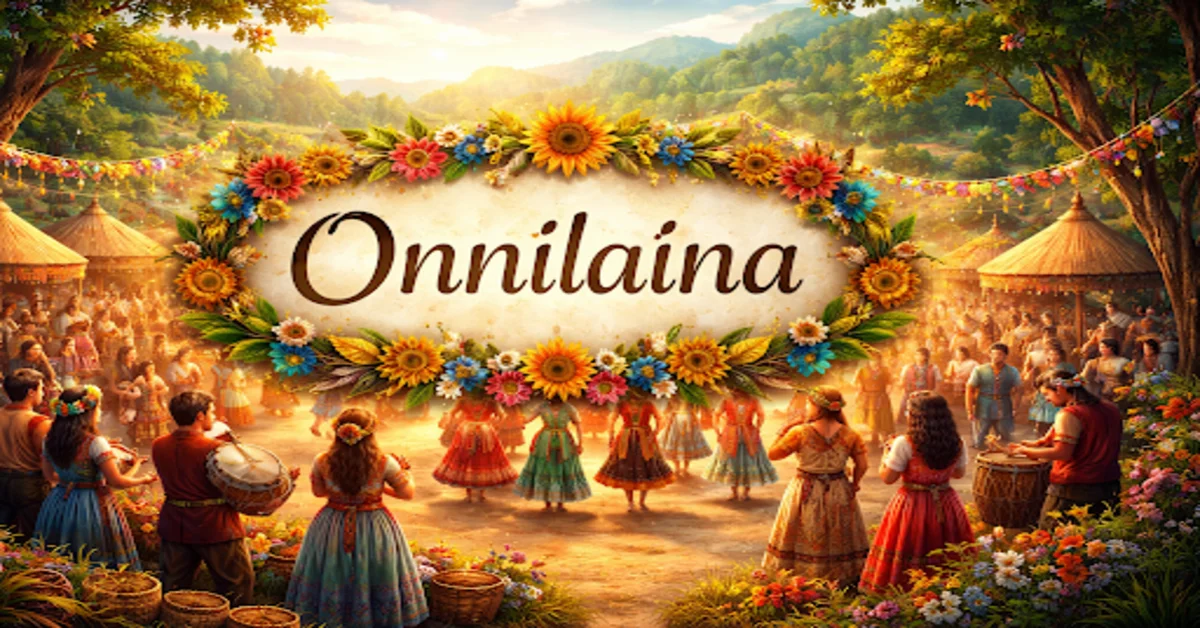
At its core, Onnilaina refers to a collective cultural tradition centered on shared values, communal gatherings, and symbolic rituals. It represents a way of life rather than a single event, weaving together customs, ceremonies, and oral storytelling traditions into a cohesive cultural celebration.
Linguistically and culturally, the Onnilaina meaning is shaped by interpretation rather than strict definition. It is often understood as an expression of harmony, fortune, and continuity—ideas deeply embedded in indigenous customs and folk rituals. These interpretations allow Onnilaina to adapt while preserving its essence.
Most importantly, Onnilaina functions as identity and tradition. It provides a framework through which individuals understand their place within the community. Through repeated practice, storytelling, and participation, Onnilaina becomes a shared language of belonging and cultural pride.
The Origins and History of Onnilaina
The Onnilaina history traces back to early communal societies where survival depended on cooperation, seasonal awareness, and shared belief systems. Early Onnilaina practices were closely linked to agricultural cycles, spiritual observances, and communal decision-making.
Over time, historical influences such as migration, environmental change, and social transformation shaped the evolution of Onnilaina customs. Rather than disappearing, the tradition absorbed new elements while preserving ancestral practices. This flexibility is one of the reasons Onnilaina heritage remains strong today.
Onnilaina survived through generations primarily through oral history and lived experience. Elders passed generational knowledge to youth through folklore narratives, ceremonies, and daily practice. This intergenerational bonding ensured that Onnilaina remained a living tradition rather than a forgotten one.
Cultural Significance of Onnilaina
The Onnilaina significance lies in its deep connection to cultural heritage. It acts as a vessel for transmitting traditional values, ethical principles, and collective memory. Through Onnilaina, communities preserve not just customs, but meaning.
Symbolism plays a central role. Many Onnilaina rituals embody themes of renewal, gratitude, unity, and respect for nature. These symbolic rituals reinforce values that guide social behavior and strengthen social cohesion.
Within community life, Onnilaina serves as a cultural anchor. It structures communal gatherings, strengthens relationships, and fosters a shared identity. In moments of celebration or challenge, Onnilaina provides emotional grounding and collective strength.
Traditional Practices and Rituals of Onnilaina
Onnilaina rituals are rich, intentional, and deeply symbolic. Ceremonial customs often involve preparation, participation, and reflection, emphasizing mindfulness and respect. Each action carries meaning rooted in historical roots and ancestral wisdom.
Seasonal ceremonies are especially significant. These traditional ceremonies align with natural cycles, honoring harvests, transitions, and spiritual milestones. They reflect a profound understanding of humanity’s relationship with the environment.
Behind every ritual lies symbolism. Colors, movements, crafted objects, and spoken words represent continuity, protection, and unity. These folk rituals transform ordinary moments into meaningful cultural experiences.
Music, Dance, and Storytelling in Onnilaina
Traditional music and dance are vital expressions of Onnilaina culture. Rhythms, melodies, and movements communicate stories that words alone cannot capture. Music energizes communal gatherings and deepens emotional connection.
Dance serves as artistic expression and embodied history. Through choreographed movement, dancers reenact folklore, seasonal changes, and spiritual narratives. Each step reinforces shared identity and cultural memory.
Oral storytelling traditions remain central. Elders and storytellers preserve oral history by sharing legends, moral lessons, and ancestral experiences. These stories ensure cultural continuity while educating younger generations.
Onnilaina and Community Identity
Onnilaina thrives on social unity. By participating in shared traditions, individuals strengthen bonds and reaffirm their role within the community. This shared participation nurtures trust and mutual respect.
Intergenerational participation is a defining feature. Children learn by observing, assisting, and eventually leading rituals. Elders guide with wisdom, ensuring generational knowledge flows naturally and respectfully.
Through these interactions, Onnilaina strengthens belonging. It reassures individuals that they are part of something enduring and meaningful—a shared identity rooted in tradition and collective purpose.
Modern Adaptations of Onnilaina
Today, Onnilaina continues to evolve without losing its essence. Modern adaptations include shorter ceremonies, inclusive participation, and creative reinterpretations that resonate with contemporary life.
Technology and social media play a growing role. Digital storytelling, video documentation, and online community festivals help share Onnilaina traditions beyond geographic boundaries, increasing awareness and appreciation.
Artists also reinterpret Onnilaina through music, visual arts, and performance. These innovations keep the tradition vibrant while honoring its cultural foundation.
Impact of Onnilaina on the Local Community
The impact of Onnilaina on the local community is both cultural and economic. Community festivals attract visitors, stimulate local economies, and create opportunities for sustainable cultural tourism.
Local artisans benefit significantly. Ritual craftsmanship—such as handmade instruments, garments, and symbolic objects—supports livelihoods while preserving traditional skills.
Educational benefits are equally important. Onnilaina promotes heritage education by encouraging cultural literacy, respect, and awareness among younger generations and visitors alike.
Preservation and Cultural Sustainability of Onnilaina
Despite its resilience, Onnilaina faces challenges. Urbanization, cultural homogenization, and declining participation threaten long-standing traditions. Without action, cultural knowledge can fade.
Community-led preservation efforts play a critical role. Cultural preservation movements, workshops, and documentation projects help safeguard rituals, stories, and skills.
Teaching Onnilaina to future generations ensures sustainability. Schools, mentorship programs, and community initiatives foster pride and responsibility, ensuring Onnilaina remains a living tradition.
Why Onnilaina Still Matters in the Modern World
In a globalized society, Onnilaina offers grounding. It provides cultural resilience by reinforcing identity amid rapid change and uncertainty.
Its adaptability demonstrates continuity without stagnation. Onnilaina evolves while honoring its roots, proving that tradition and progress can coexist.
Above all, Onnilaina remains alive because people live it. It continues to inspire connection, meaning, and shared humanity—qualities the modern world deeply needs.
Frequently Asked Questions
What is Onnilaina known for?
Onnilaina is known for its strong community focus, symbolic rituals, traditional music and dance, and deep emphasis on shared identity and cultural continuity.
Why is Onnilaina culturally important?
Onnilaina preserves cultural heritage, transmits ancestral wisdom, and strengthens social cohesion through communal participation and intergenerational bonding.
How can people participate in Onnilaina today?
People can participate through community festivals, educational programs, artistic expression, storytelling, and supporting preservation initiatives.
Summary
Onnilaina stands as a powerful testament to humanity’s need for connection, meaning, and tradition. Its history, rituals, and cultural significance reveal a tradition that is both ancient and adaptable.
By fostering unity, preserving knowledge, and inspiring pride, Onnilaina continues to enrich lives and strengthen communities. It bridges past and present, offering guidance for the future.
Ultimately, Onnilaina is not just preserved—it is lived. And as long as communities gather, stories are told, and values are shared, the legacy of Onnilaina will endure with strength, beauty, and purpose.
Stay tuned with Topicnest!