
Last Updated on March 25, 2026 by asadsultan270@gmail.com
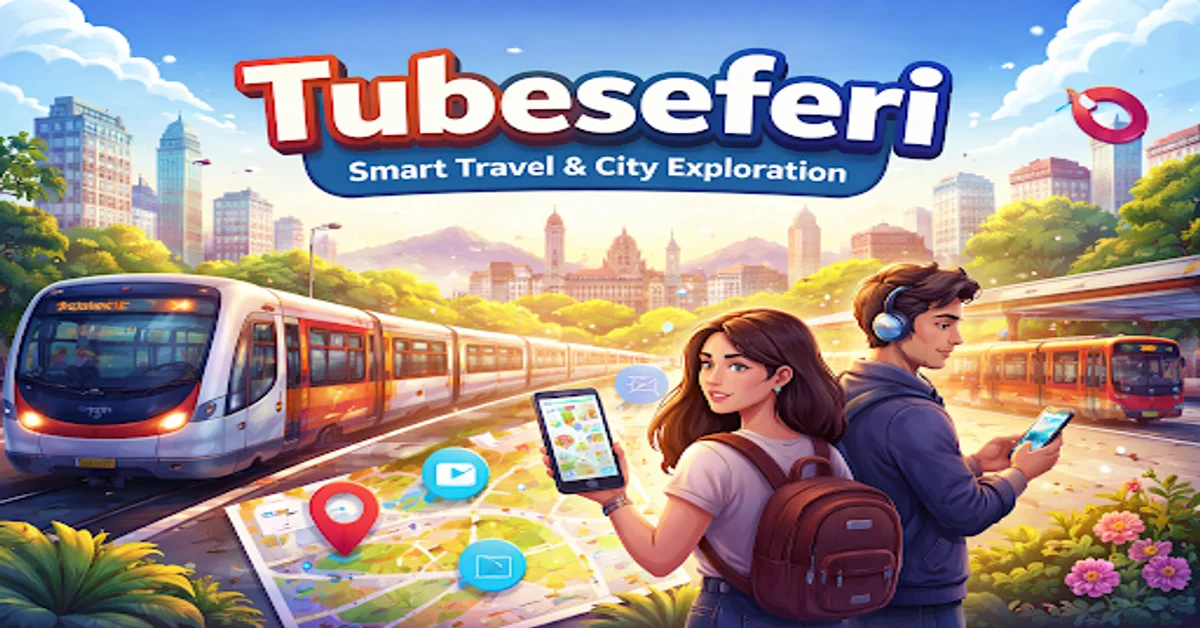
Tubeseferi is an emerging travel concept and platform name that blends smart transit navigation with community-driven travel discovery. At its core, tubeseferi combines real-time transit data, offline maps, user-generated travel videos, and AI-powered route suggestions into a single, enjoyable experience for commuters and explorers alike. This hybrid approach aims to make everyday trips and city exploration simpler, more personalized, and more sustainable.
Modern cities are crowded, schedules change, and travelers want both confidence and delight when they move. Tubeseferi addresses those needs by connecting public transit networks with intelligent routing and authentic local content—helping people save time, reduce stress, and discover meaningful experiences off the beaten path. The platform’s mix of technology (AI, GTFS/real-time feeds) and community content positions it as a practical tool and a cultural compass for urban mobility.
This piece breaks tubeseferi down into clear sections: meaning and origins, in-app features, how it works, benefits, comparisons with traditional apps, the tech under the hood, real-world cases, future trends, FAQs, and a concise conclusion. Each section targets both practical use and the broader role tubeseferi can play in smart, sustainable cities.
RELATED: ChromiumFX: Legit or Risky Broker?
Understanding Tubeseferi
The Meaning of Tubeseferi
The word “tubeseferi” fuses ideas—“tube” suggesting transit or video channels, and “seferi” (a travel-rooted term) suggesting journey. Practically, it names a travel platform and a mindset: move smarter, explore deeper, and share what you find. The term is used across recent travel tech and lifestyle sites to describe a bundled approach to navigation and discovery.
Origins and Evolution of the platform and concept
Tubeseferi appears to have evolved from two converging trends: the growth of real-time transit technologies (GTFS/GTFS-rt feeds and rapid urban mobility integration) and the explosion of user-generated travel media (short-form videos, vlogs, micro-guides). Early variations emphasized either navigation-first (transit routing and offline maps) or content-first (video travel guides), and the modern concept blends both to serve commuters and explorers. This evolution mirrors broader shifts in Mobility-as-a-Service (MaaS) thinking and digital travel discovery.
Who Uses Tubeseferi? (commuters, travelers, urban explorers)
Tubeseferi’s audience is intentionally broad. Daily commuters benefit from real-time transit navigation and optimized routes; travelers and local explorers use the community videos and interactive guides to find authentic neighborhoods and attractions. Urban planners, mobility operators, and local storytellers find value too—because the platform can surface transit data, usage patterns, and on-ground cultural narratives that improve planning decisions and tourism experiences.
Features of Tubeseferi
Real-Time Transit Navigation
Real-time updates are central: live vehicle locations, delay alerts, and service disruption notices let users adapt on the fly. Many modern transit apps rely on GTFS-rt feeds (a de-facto standard for realtime transit data) to power live ETAs and alerts—tubeseferi leverages the same standards but focuses on clarity and local context so riders understand not just the delay, but what to do next.
Smart Route Planning and Optimization
Beyond basic navigation, tubeseferi uses transit routing algorithms and AI to propose smarter journeys: lower-crowd alternatives, multimodal combinations (metro + bike + micro-transit), and options prioritized by user preferences (fastest, cheapest, most scenic). AI and machine learning personalize recommendations over time, learning from a user’s travel habits to present routes that fit their priorities. This type of optimization is increasingly common in mobility platforms that aim to increase efficiency and reduce environmental impact.
Offline Maps & Accessibility Options
For reliable navigation off-grid, tubeseferi includes offline map downloads and accessibility filters—saving maps for specific neighborhoods and showing step-free routes, elevator locations, and tactile guidance where available. Offline capability matters to travelers in low-connectivity areas and daily users who want predictable navigation without high data costs. Established offline map solutions (based on OpenStreetMap data) demonstrate that this approach is both feasible and widely adopted.
Community-Powered Travel Content
One of tubeseferi’s strengths is its community content: short travel videos, micro-guides, and local tips from everyday storytellers. User-generated videos help travelers make emotional connections and set realistic expectations—studies show UGC significantly influences travel decisions, especially among younger travelers who rely on video content for inspiration. Tubeseferi organizes this content by location, theme, and transit access, so discovery and practicality go hand-in-hand.
Personalized Recommendations and AI Integration
Tubeseferi uses machine learning personalization and content recommendation systems to match users with relevant routes, videos, and local experiences. The system considers past trips, saved places, and interaction with videos to tailor suggestions—improving both convenience and engagement. When implemented ethically, such systems boost user satisfaction and encourage sustainable choices like public transit over private cars.
How Tubeseferi Works
Step-by-Step Guide to Using the App
Install and sign up: users create a profile, set preferences (accessibility needs, transport modes, data limits). Next, download offline maps if traveling to low-connectivity areas. For a trip, enter a destination, choose preferences (fastest, scenic, eco), and select the suggested route. The app streams GTFS-rt data, presents live updates, and surfaces community videos for last-mile discovery. Simple, friendly prompts guide users when service disruptions occur.
Integration with Local Transit Systems
Tubeseferi integrates with public transit agencies through standard feeds (GTFS static + GTFS-rt) and API partnerships. This allows direct access to schedules, vehicle positions, and alerts—enabling accurate multimodal itineraries. For cities and agencies, partnering with platforms like tubeseferi increases public transport visibility and can help shift modal share toward sustainable options.
Using Tubeseferi for Daily Commuting vs Travel
For commuters, tubeseferi becomes a productivity tool—showing consistent route options, alternate plans during disruptions, and crowding insights when available. For travelers, the app is exploratory: discover local storytellers’ videos, find culturally rich detours, and save itineraries. The interface shifts accordingly: a “commute mode” favors speed and predictability, while a “discover mode” prioritizes video guides and local recommendations.
Benefits of Using Tubeseferi
Convenience for Travelers
Tubeseferi bundles planning, navigation, and discovery in one place. Rather than toggling between a maps app, a video platform, and transit schedules, users find curated local tips and route plans side-by-side—saving time and reducing the friction of travel planning. This convenience builds trust and encourages spontaneous exploration without the anxiety of getting lost.
Time-Saving for Commuters
Commuters gain reliable alternatives during delays—AI suggestions, quick micro-transit hops, or optimized multi-modal transfers—so time lost to disruptions is minimized. Real-time alerts and an easy “reroute” button put usable information at the rider’s fingertips, translating to measurable time savings during peak disruptions. Agencies and employers also benefit when commutes become more predictable.
Sustainable and Smart Travel
By recommending transit-centric options and integrating with MaaS initiatives, tubeseferi nudges users toward eco-friendly choices—public transport, bike shares, and shared mobility—reducing single-occupancy vehicle trips. Mobility integration and intelligent routing are recognized levers for sustainable urban transportation and can help cities meet climate and congestion goals.
Enhancing Cultural & Local Travel Experiences
Community videos and local storyteller content transform routine commutes or visits into cultural discovery. Users find cafés, murals, markets, and walking routes recommended by people who live there—not just polished travel ads. This fosters deeper cultural immersion, supports local creators, and helps authentic experiences reach curious visitors.
Tubeseferi vs Traditional Travel Apps
How Tubeseferi Differs from Google Maps and Citymapper
Traditional apps excel at global navigation and broad mapping infrastructure, but tubeseferi differentiates itself by prioritizing local storytelling and community video discovery alongside transit routing. Where Google Maps offers extensive POI data and Citymapper focuses on urban transit routing, tubeseferi blends real-time transit precision with curated human content and discovery features—making journeys informative and emotionally engaging. GTFS and realtime feeds still power the routing, but tubeseferi layers local context and videos in a discovery-first UX.
Unique Features That Set Tubeseferi Apart
Key differentiators include: integrated short-form travel videos tied to map locations, offline maps that prioritize transit corridors, AI personalization tuned to both commute and discovery needs, and accessibility filters built into route suggestions. The result is a hybrid app that’s part commuter tool, part local guide, and part social travel channel.
User Testimonials and Reviews
Early adopters praise tubeseferi for saving time in complex transit systems and for surfacing neighborhood gems they wouldn’t have found otherwise. Travelers note the emotional value of local videos; commuters highlight reliability during disruptions. As with any platform, ongoing improvements depend on quality of transit partnerships and community moderation to maintain accuracy and trust.
The Technology Behind Tubeseferi
AI and Machine Learning for Route Optimization
AI models learn from historical transit behavior, traffic patterns, and live GPS feeds to predict arrival times and suggest optimal transfers. Machine learning personalization tailors recommendations based on user behavior—offering faster routes for commuters and experiential suggestions for explorers. These techniques are proven to increase routing accuracy and user satisfaction across modern mobility platforms.
Real-Time Data Collection and Updates
Tubeseferi ingests GTFS static schedules and GTFS-rt feeds for live updates—vehicle positions, arrival predictions, and service alerts—so the user sees what’s happening now, not just the timetable. The GTFS ecosystem has enabled this capability globally and remains the backbone for real-time public transit information.
Mobile UX and Design for User Engagement
Mobile optimization and UX design are critical—clean displays of transfer steps, clear accessibility tags, and an intuitive discovery feed for videos improve adoption. Thoughtful microcopy (clear prompts), minimal friction for reroutes, and fast offline map performance all contribute to a delightful user experience.
Security and Privacy Considerations
Because tubeseferi uses location and behavioral data, robust privacy practices are essential: transparent data policies, opt-in personalization, local data storage for offline maps, and compliance with regional regulations (like GDPR) build trust. Security best practices—encrypted transit of location data, minimal retention of personally identifiable information, and regular audits—are important for safeguarding users.
Real-World Use Cases
Urban Commuters in Major Cities
A daily commuter in a dense metro benefits from crowding insights and alternate routes. When an incident disrupts a line, tubeseferi immediately suggests viable multimodal options—like a short tram hop and a bike-share segment—reducing commute time and frustration. For large employers and transit agencies, this reliability can translate into increased productivity and better rider satisfaction.
Tourist Exploration and Video Travel Content
Tourists use tubeseferi to find micro-experiences: a baker’s shop recommended in a 60-second video, a quiet street with murals, or a nearby market reachable via a short night tram. Integration of interactive video platforms ensures that discovery is vivid and trustworthy—users see the place before going, making exploratory travel more confident and fulfilling.
Community-Driven Recommendations
Local creators—market vendors, guides, artists—upload short clips tied to map spots. This grassroots content network amplifies authentic voices and helps visitors support local economies. Community moderation and rating systems keep recommendations reliable and helpful.
Success Stories and Case Studies
Pilot implementations show measurable benefits: improved on-time arrival rates after integrating GTFS-rt, higher engagement when video content is location-anchored, and reduced private car trips when MaaS integration offers seamless shared mobility alternatives. These real outcomes align with industry research on MaaS and smart mobility.
Future of Travel with Tubeseferi
Emerging Trends in Travel and Urban Mobility
Expect deeper MaaS integrations, broader GTFS-rt adoption, and richer local content as short-form video continues to shape traveler inspiration. Smart city transit systems will increasingly share live data, enabling platforms like tubeseferi to present seamless, low-carbon journeys that align with urban sustainability goals.
Expansion of Tubeseferi Features
Future features may include predictive crowding indicators (using anonymized data), ticketing integration across services (one-tap MaaS payments), and AR-guided last-mile navigation layered atop community videos. These additions would further close the loop between planning, transit, and local discovery.
Role in Sustainable and Smart City Travel
By nudging users toward shared and public modes, tubeseferi supports sustainable tourism initiatives and city climate targets. When combined with public policy and agency partnerships, the platform can help shift mobility patterns, reduce congestion, and create equitable access to services across neighborhoods.
RELATED: Webtub: The Ultimate Creator-Friendly Platform
Frequently Asked Questions
What does tubeseferi mean?
Tubeseferi is a coined term and platform concept combining smart transit navigation and travel discovery—mixing “tube” (transit/video) with “seferi” (journey). It represents a modern, hybrid approach to moving and exploring.
How is it different from other navigation apps?
Unlike general mapping apps, tubeseferi emphasizes community-generated travel videos, discovery feeds, and transit-first routing tailored to both commuters and explorers. It layers human storytelling over technical transit data for a more engaging experience.
Is tubeseferi free to use?
Basic features—route planning, real-time updates, and community videos—are typically free. Premium features (offline map bundles, ad-free video, MaaS ticketing) may be paid depending on the platform’s business model. Always check the app’s pricing page and privacy policy.
Can it help daily commuters?
Yes. Real-time updates, quick reroutes, and commuter-focused UX features help reduce delays and make routine travel more predictable and comfortable. Integration with local transit networks is key for commuter value.
Does it support offline navigation?
Yes—offline maps and pre-downloadable transit corridors are core features for travelers and commuters in low-connectivity zones. Proven offline map solutions (based on OpenStreetMap) show this is a widely used and stable approach.
Summary
Tubeseferi blends robust transit navigation (GTFS-rt, AI route planning) with community video discovery and personalization—making it both a practical commuter tool and an inspirational travel companion. Its hybrid model is designed to save time, deepen cultural experiences, and support sustainable travel choices.
For people who want efficient, low-stress commutes and richer discoveries when they explore, tubeseferi offers the best of both worlds: trusted transit data and human stories. It reduces planning friction, helps avoid delays, and surfaces local gems you’d otherwise miss.
As cities digitize transit information and travelers increasingly rely on short-form video for inspiration, platforms like tubeseferi are well placed to shape the future of mobility—one that’s smarter, greener, and more human. Partnering with transit agencies, honoring privacy, and empowering local storytellers will be essential to scale this vision responsibly.