
Last Updated on March 25, 2026 by asadsultan270@gmail.com
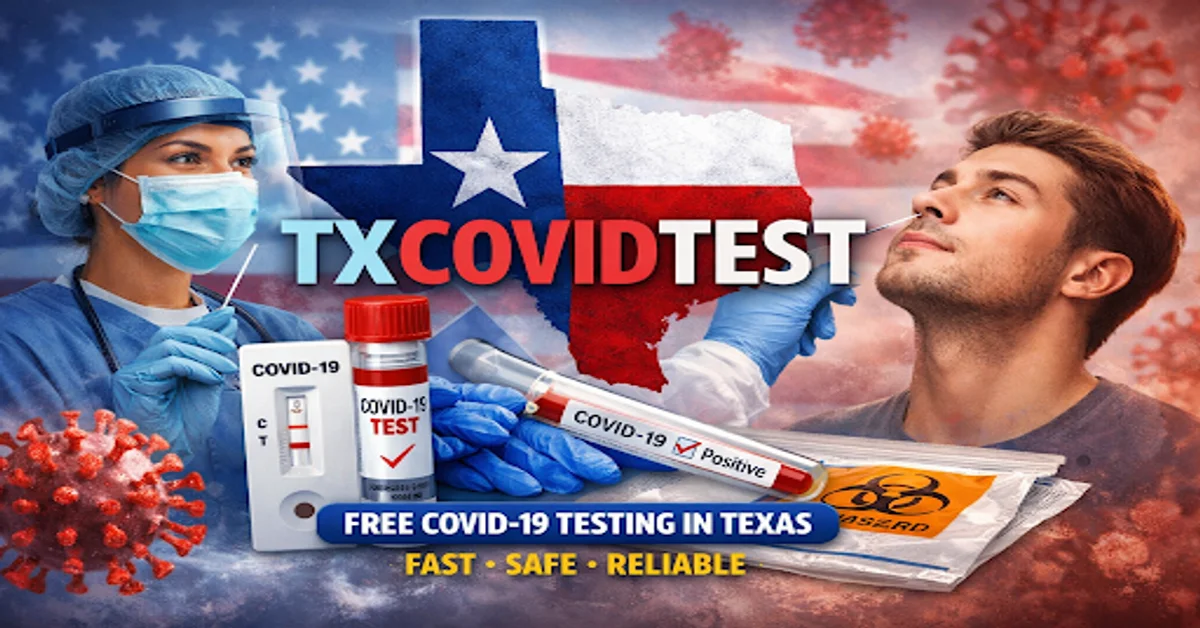
TXCOVIDTEST is a term used to describe COVID-19 testing services available across Texas, including testing locations, appointment services, and online platforms that help residents access rapid and accurate testing. Whether you need a COVID-19 PCR test in Texas, a rapid COVID test, or guidance on home COVID tests, TXCOVIDTEST serves as a central reference library for Texans seeking reliable screening options.
With the ever-evolving nature of SARS-CoV-2, testing is a vital tool for early detection, containment, and reducing transmission. COVID testing Texas ensures communities can respond quickly to outbreaks, particularly in urban areas and high-traffic zones. Testing not only protects individuals but also supports public health monitoring and data collection vital to shaping effective health policies.
Residents of Texas frequently search for COVID testing sites TX, clinic COVID test Texas, and drive-through COVID test TX to find convenient and accessible testing options. Centralized systems and platforms make it easier for people to locate clinics, book appointments, and understand testing protocols, ensuring timely and accurate results.
RELATED: Decobry: Modern Design for Stylish Living
Understanding COVID-19 Testing Basics
What is COVID-19?
COVID-19 is caused by the SARS-CoV-2 virus, a respiratory pathogen that can range from asymptomatic cases to severe illness. Symptoms often include fever, cough, fatigue, and loss of taste or smell, though individuals may remain asymptomatic while still spreading the virus.
How COVID-19 spreads
Transmission occurs primarily through respiratory droplets when infected individuals cough, sneeze, or talk. The virus can also linger on surfaces and in enclosed spaces, which underscores the importance of widespread COVID screening Texas initiatives to identify cases and reduce spread.
Role of testing in controlling outbreaks
Testing is crucial for detecting infections early, enabling isolation, and informing contact tracing efforts. By participating in statewide COVID test services, Texans contribute to community safety and help public health authorities monitor COVID surveillance data effectively.
Types of COVID Tests Available in Texas
PCR Tests and Accuracy
COVID-19 PCR tests Texas are considered the gold standard for detecting SARS-CoV-2 molecular signatures. These tests use nasal or throat swabs to detect viral RNA and are highly accurate, particularly in early-stage infections. They are processed in certified laboratories overseen by the Food and Drug Administration and follow strict COVID test protocols.
Rapid Antigen Tests
Rapid tests provide results within minutes, making them ideal for urgent scenarios or large-scale screening events. While slightly less sensitive than PCR tests, COVID-19 antigen tests are effective for detecting high viral loads and are commonly used in drive-through COVID test TX settings.
Antibody Tests
Antibody testing detects prior exposure to COVID-19 by identifying immune responses in the blood. While not used for diagnosing active infection, antibody tests can help assess immunity levels and support public health monitoring efforts.
At-Home Testing Kits
Home tests offer convenience for individuals unable to access clinics or prefer privacy. These kits can be PCR or antigen-based and often include instructions for safe sample collection, mailing, or self-reporting results. Proper usage ensures testing eligibility Texas guidelines are followed.
Comparing Test Types for TXCOVIDTEST Users
PCR tests are best for accuracy, rapid antigen tests excel in speed, and home kits provide convenience. Understanding the pros and cons helps residents choose the right test for their needs, ensuring reliable COVID test results Texas.
How TXCOVIDTEST Services Work
Registration and Appointment Process
Many COVID testing sites TX require pre-registration. Platforms allow users to book appointments, reducing wait times and ensuring organized sample collection. Digital systems integrate with Texas.gov and the Texas Department of State Health Services to streamline data reporting.
Walk-in vs Scheduled Testing
Some clinics allow walk-ins, while others strictly require appointments. Walk-in options provide flexibility but may have longer wait times. Scheduled appointments are ideal for predictable planning and minimizing exposure risk during the visit.
Drive-Through Testing Options
Drive-through testing has become a hallmark of rapid COVID tests in Texas, allowing individuals to remain in vehicles while healthcare staff perform nasal swabs. This approach reduces contact and speeds up testing for large populations.
Where to Find TXCOVIDTEST Locations in Texas
Clinics and Health Centers
Hospital-based clinics, urgent care facilities, and community health centers across Texas provide accessible testing. Many clinics also offer COVID test appointment Texas systems for convenience.
Government Testing Programs
State programs, coordinated by the Texas Department of State Health Services, provide free or low-cost testing. Locations often include COVID testing Texas initiatives in partnership with local health authorities.
Community Testing Events
Pop-up testing sites and community events facilitate mass screenings, particularly in underserved or high-density areas. These initiatives support COVID screening Texas and strengthen local response capabilities.
Online Platforms for Finding Testing Sites
Web platforms and official portals like Texas.gov allow residents to search for clinics, compare testing options, and confirm COVID test results Texas reporting procedures.
Cost of COVID Testing in Texas
Free COVID Testing Programs
Government-funded programs offer free testing for eligible residents, ensuring equitable access. These programs often cover both PCR and antigen tests, reducing financial barriers.
Insurance Coverage for Testing
Most insurance plans cover testing when prescribed by a healthcare provider or conducted due to exposure. Always confirm with your provider before visiting a clinic COVID test Texas site.
Out-of-Pocket Testing Costs
For individuals without insurance, testing may involve nominal fees. Costs vary based on test type, processing speed, and clinic location.
Hidden Fees to Watch For
Be aware of administrative fees or optional services. Reputable testing sites are transparent about charges, which helps maintain trust in TXCOVIDTEST services.
Symptoms That Require TXCOVIDTEST
Common COVID Symptoms
Symptoms prompting testing include fever, cough, shortness of breath, fatigue, and new loss of taste or smell. Identifying these early supports timely isolation and treatment.
Emergency Warning Signs
Seek immediate care if symptoms worsen, including difficulty breathing, chest pain, or confusion. These may indicate severe COVID-19 or complications.
When to Get Tested Immediately
Testing is recommended after exposure to a confirmed case, onset of symptoms, or travel to high-risk areas. Rapid identification prevents further spread in communities.
Understanding Your TXCOVIDTEST Results
Positive Test Meaning
A positive result indicates active infection or past exposure, depending on the test type. Promptly follow isolation and inform contacts to reduce transmission.
Negative Test Meaning
A negative result typically indicates no detectable infection at the time of testing. However, timing after exposure can affect accuracy, and repeat testing may be needed.
False Negative and False Positive Risks
No test is perfect. PCR tests have high accuracy, but nasal swab COVID test technique and timing can influence results. Rapid antigen tests have higher false negative rates, emphasizing careful interpretation.
Next Steps After Results
Positive cases should isolate, notify close contacts, and follow CDC and Texas Department of State Health Services guidance. Negative cases should continue preventive measures.
Accuracy and Reliability of COVID Tests
Factors Affecting Test Accuracy
Sample collection, timing after exposure, and lab processing impact accuracy. Certified labs following COVID test protocols enhance reliability.
Timing of Testing After Exposure
Testing too early can lead to false negatives. CDC guidance recommends testing 3–5 days post-exposure for best results.
Testing Technology Improvements
Ongoing innovation enhances rapid test sensitivity and PCR turnaround times, providing Texans with faster, more reliable COVID test results Texas.
Public Health Guidelines in Texas
State Health Recommendations
The Texas Department of State Health Services issues ongoing guidance for testing, isolation, and masking. Residents are encouraged to follow these protocols to protect themselves and others.
Testing Requirements for Travel or Work
Certain workplaces, schools, and travel destinations require proof of testing. COVID test appointment Texas is often necessary to comply with these regulations.
School and Workplace Testing Rules
Schools and employers may implement regular screenings, especially during outbreaks, to prevent mass transmission.
Benefits of Using TXCOVIDTEST Services
Early Detection Advantages
Timely testing detects infections before severe symptoms develop, enabling prompt medical care.
Protecting Family and Community
Testing reduces the risk of unknowingly spreading the virus, supporting vulnerable populations.
Supporting Public Health Monitoring
Data from COVID testing sites TX helps authorities track trends, mutations, and outbreak clusters.
Common Myths About COVID Testing
Testing is Painful Myth
Modern swabs are minimally invasive. Home tests further reduce discomfort.
Testing is Only for Sick People Myth
Asymptomatic individuals can carry SARS-CoV-2. Routine testing prevents hidden spread.
Home Tests Are Not Reliable Myth
Certified at-home kits provide accurate results when instructions are followed properly.
How to Avoid Fake Testing Scams
Recognizing Legitimate Testing Providers
Check for certifications and alignment with Texas.gov or CDC guidelines.
Verifying Official Testing Websites
Only rely on official platforms and verified clinics for appointments.
Safety Tips for Online Registration
Avoid sharing unnecessary personal information and confirm site security before submitting data.
Future of COVID Testing in Texas
Technology Innovations
Advancements include faster PCR tests, digital result reporting, and improved rapid antigen sensitivity.
Pandemic Preparedness
Enhanced testing infrastructure prepares Texas for future viral outbreaks, improving resilience.
Long-Term Health Monitoring
Testing supports ongoing surveillance and informs vaccine and booster strategies.
SEO Tips for Finding TXCOVIDTEST Information Online
Using Search Keywords Effectively
Use phrases like “Texas COVID test locations” and “COVID testing sites TX” to find relevant results.
Checking Official Health Sources
Rely on Texas Department of State Health Services, CDC, and Texas.gov for verified information.
Staying Updated with Health Alerts
Follow local health departments for updates on outbreaks, testing events, and new protocols.
RELATED: What Is Wachappe? Internet Slang Explained
Frequently Asked Questions
Who should get tested?
Anyone with symptoms, exposure, or requiring travel/work compliance.
How long do results take?
Rapid tests: 15–30 minutes; PCR tests: 1–3 days.
Can I test at home?
Yes, FDA-approved at-home kits are widely available.
Is testing still necessary?
Yes, for early detection and public health monitoring.
Summary
TXCOVIDTEST provides Texans with vital tools for detecting COVID-19, preventing spread, and protecting communities.Regular testing, vaccination, and following state guidelines ensure safety for yourself and others.Stay engaged with official sources like the CDC, FDA, and Texas.gov to access the latest developments in COVID testing and health policies.