
Last Updated on March 17, 2026 by asadsultan270@gmail.com
The WIAA Arrowhead High School waiver lawsuit has captured widespread attention across Wisconsin and beyond, sparking discussions about fairness, student-athlete rights, and the strict rules that govern high school sports. At its heart, this legal dispute centers on a senior athlete whose eligibility to play varsity football was challenged under the Wisconsin Interscholastic Athletic Association’s (WIAA) transfer rules.
Eligibility rules in high school sports serve an essential purpose. They ensure fair competition, prevent schools from recruiting athletes solely for sports performance, and maintain the integrity of interscholastic athletics. Yet, as the Arrowhead case shows, these rules can clash with real-life situations, particularly when families face unforeseen hardships.
This lawsuit highlights a critical question: how should student-athlete rights and personal circumstances intersect with established athletic policies? By examining this case, families, educators, and sports administrators can better understand the balance between policy enforcement and fairness.
RELATED: WhatsonTech: Latest Tech Updates
Background of the Case
Arrowhead High School, part of the Arrowhead Union High School District, became the focal point of this lawsuit when senior football player Tristen Seidl sought to participate in varsity sports after transferring schools. Tristen, previously enrolled at Kettle Moraine High School, faced eligibility issues after a series of personal hardships that forced his family to relocate.
The Seidl family endured a devastating house fire, which destroyed their home and displaced them for an extended period. They moved multiple times before establishing permanent residence in the Arrowhead district. These challenging circumstances formed the basis of the family’s request for a waiver to allow Tristen to play football immediately as a senior.
The timeline of events is significant. After moving to the Arrowhead district, the family submitted a formal waiver request to the WIAA Board of Control, seeking an exception to the transfer rule. The WIAA denied the request, citing that the situation did not fully meet the criteria for an extenuating circumstances waiver. Feeling the decision was unjust, the Seidls filed a lawsuit in Waukesha County Circuit Court, marking the start of the Arrowhead High School eligibility case.
Understanding WIAA Transfer Rules
The Wisconsin Interscholastic Athletic Association (WIAA) is responsible for overseeing high school athletics across the state, ensuring fairness and uniformity in competition. One of the most critical aspects of their governance involves transfer rules, particularly for juniors and seniors who move schools.
Generally, students transferring schools are required to sit out varsity sports for one calendar year to prevent recruitment or undue advantage. However, the WIAA recognizes that some transfers occur due to circumstances beyond the family’s control, such as military relocation or family hardship. In such cases, a family can request a waiver for immediate eligibility, known as an extenuating circumstances waiver.
The WIAA Board of Control reviews waiver requests on a case-by-case basis. Factors considered include the reason for transfer, timing, and supporting documentation. The board’s goal is to maintain fairness while acknowledging genuine hardships. The Seidl family’s case directly challenged how these rules were interpreted and applied, raising questions about consistency and flexibility in high school sports governance.
The Waiver Request and Denial
Tristen Seidl’s family submitted a detailed waiver request, emphasizing their extraordinary circumstances, including the house fire and subsequent family relocation. They argued that the transfer was unavoidable and that denying him the ability to participate would unfairly penalize him during his final year of high school football.
The WIAA Board of Control denied the waiver, asserting that the family’s circumstances, while difficult, did not meet the strict definition of an extenuating circumstance. The decision sparked debate, as many believed the family had presented compelling evidence of hardship.
Analyzing the WIAA’s policy versus the Seidl family’s situation highlights a common tension in high school sports. Policies are designed to prevent exploitation but may not always account for genuine personal crises. Keywords such as “eligibility criteria appeal process” and “extenuating circumstances waiver” reflect the legal and procedural elements at play in this type of case.
Legal Action: The Lawsuit
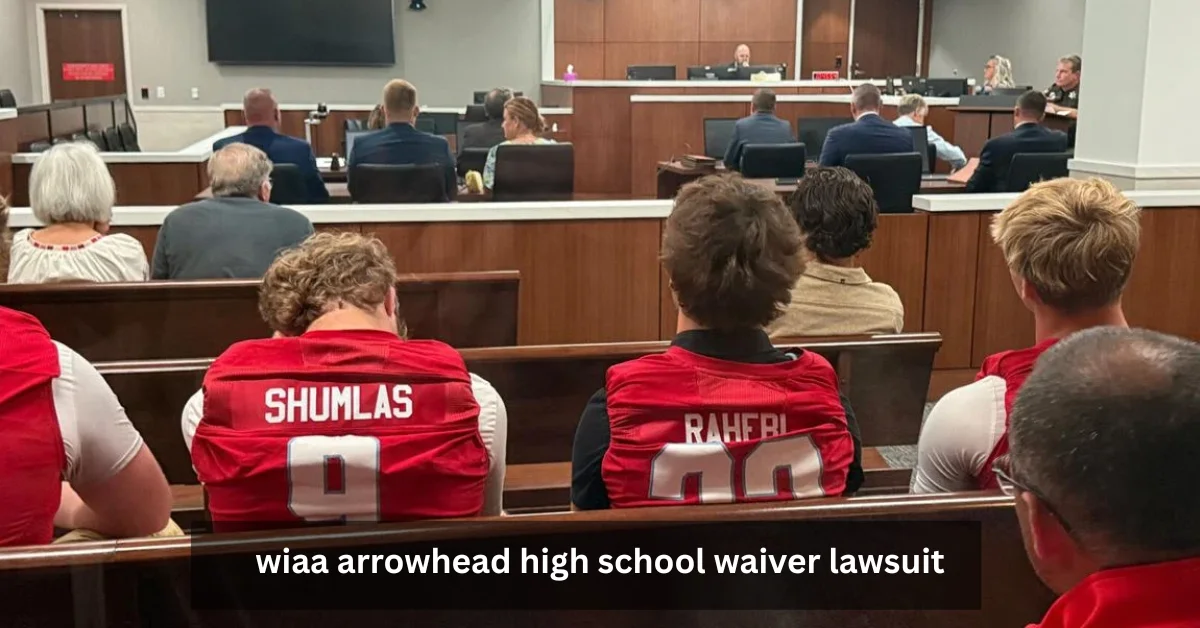
In response to the denial, the Seidls filed a civil lawsuit against WIAA in Waukesha County Circuit Court. The complaint argued that the WIAA engaged in an unlawful exercise of governmental power, denying Tristen his rights as a student-athlete despite exceptional circumstances.
The plaintiffs, Blayne and Jenell Seidl, sought a temporary injunction to allow Tristen to play while the lawsuit proceeded. The case, often referred to as the Seidl vs WIAA case, drew attention not only for its legal merits but also for its potential impact on other student-athletes facing similar eligibility challenges.
The WIAA, represented by its legal counsel, maintained that their rules were fair and applied consistently. They emphasized the importance of adhering to transfer regulations to ensure equitable competition across Wisconsin high school sports programs. The legal battle underscored the tension between administrative rules and individual rights, a recurring theme in high school athletics litigation.
Court Decision and Injunction
A pivotal moment in the lawsuit came when the Waukesha County judge granted a temporary injunction in favor of Tristen Seidl. This injunction allowed him to participate in varsity football immediately, even as the legal proceedings continued.
The court recognized the family’s compelling circumstances and the potential harm to Tristen’s athletic future if he were barred from play. The decision emphasized that temporary relief could protect the student while ensuring the WIAA’s rules were ultimately reviewed in detail.
Following the court ruling, Todd Clark, WIAA communications director, confirmed that the organization would comply with the injunction while maintaining its position on the transfer rules. Similarly, Mel Dow, associate director involved in the eligibility decision, highlighted that the board would continue to enforce policies consistently, balancing fairness with legal compliance.
Implications for the Student Athlete
For Tristen Seidl, the lawsuit carried significant personal and professional implications. Participation in his senior football season could influence athletic scholarship opportunities and college recruitment. Scouts often evaluate game performance during a student’s final high school season, making eligibility critical.
The case also had emotional and social dimensions. Being allowed to play preserved Tristen’s connection to teammates and the broader school community, mitigating the potential emotional strain from the family’s displacement. Moreover, the situation highlighted the resilience required of student-athletes navigating personal adversity alongside athletic commitments.
This case underscores the broader importance of student-athlete rights, illustrating how legal mechanisms, such as temporary injunctions, can protect young athletes while ensuring compliance with established rules.
Broader Implications for High School Athletics
Beyond the individual, the lawsuit carries implications for high school athletic governance. It may set a precedent for future eligibility disputes, particularly in cases involving family hardship or unforeseen circumstances. Schools and athletic associations may need to revisit policies to ensure fairness while maintaining consistent enforcement.
Enforcing transfer rules fairly is challenging, as administrators must balance policy integrity with compassion for exceptional cases. The Arrowhead lawsuit demonstrates the necessity of clear guidelines and transparent decision-making processes.
Keywords like “eligibility dispute high school athletics” and “high school athletic governance” reflect broader discussions in sports law, emphasizing the interplay between regulation and individual rights in educational athletics.
Perspectives from Stakeholders
The lawsuit drew input from multiple stakeholders. Conrad Farner, Arrowhead School District superintendent, expressed support for the family, highlighting the unique circumstances that warranted consideration. Todd Clark and Mel Dow emphasized WIAA’s commitment to rules enforcement, ensuring fair competition statewide.
Legal experts noted that the case exemplifies the growing intersection of sports law and education, where individual rights may challenge administrative authority. From the family’s perspective, Blayne and Jenell Seidl stressed that the primary goal was fairness and an opportunity for Tristen to participate fully in his senior season.
Lessons Learned and Key Takeaways
Families navigating WIAA rules can take several lessons from this case. First, documenting extenuating circumstances thoroughly is essential when requesting a waiver. Clear evidence increases the likelihood of a favorable outcome.
Schools and athletic associations may also learn from this lawsuit the importance of balancing strict policy enforcement with flexibility in extraordinary situations. Transparent processes and clear communication can help prevent misunderstandings and reduce the need for legal intervention.
Additionally, student-athletes and families should understand that legal recourse, such as requesting a temporary injunction, may be necessary when policy decisions threaten to impact opportunities unfairly.
RELATED: Kotora Melnkalne: A Hidden Gem of Montenegro
Frequently Asked Questions
Can seniors play varsity after transferring schools in Wisconsin?
Generally, seniors must sit out one year unless a waiver is granted for extenuating circumstances. Temporary injunctions can allow immediate participation in special cases.
What qualifies as extenuating circumstances for a WIAA waiver?
Situations like family relocation, natural disasters, or other significant hardships may qualify if thoroughly documented.
How does a court injunction affect high school sports eligibility?
A temporary injunction permits a student-athlete to compete while the legal case is pending, ensuring no immediate loss of opportunity.
Who decides on WIAA waiver requests?
The WIAA Board of Control reviews all requests and considers documented circumstances before making a decision.
Summary
The WIAA Arrowhead High School waiver lawsuit sheds light on the complexities of high school sports eligibility, student-athlete rights, and the role of governing bodies. While policies like WIAA’s transfer rules ensure fairness, they must also account for extraordinary personal circumstances.
Tristen Seidl’s case demonstrates how legal mechanisms can protect students, allowing them to pursue athletic opportunities despite challenges. Ultimately, the lawsuit highlights the importance of fairness, transparency, and compassion in high school sports governance, offering valuable lessons for families, schools, and athletic associations alike.