
Last Updated on March 13, 2026 by asadsultan270@gmail.com
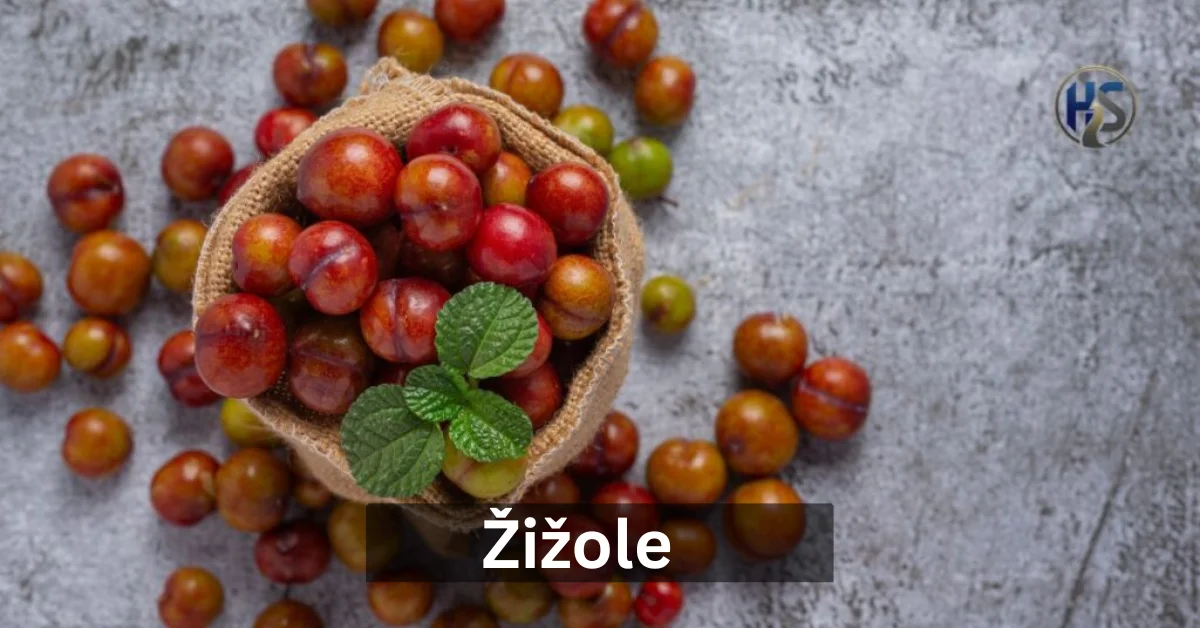
Žižole, known scientifically as Ziziphus jujuba, is a remarkable fruit celebrated for its sweet flavor, nutritional value, and versatile uses. Often referred to as the jujube fruit or Chinese red date, žižole has been cherished for centuries across Asia and the Mediterranean. These small, oval fruits can be eaten fresh or dried, offering a natural sweetness that makes them popular in both culinary and medicinal applications.
Beyond its delightful taste, žižole is considered a superfruit due to its abundance of antioxidants, vitamins, and minerals. Its unique blend of nutrients supports overall well-being, making it an increasingly popular choice among health-conscious individuals worldwide.
Žižole has a rich history that dates back thousands of years. Originating in Asia, particularly China, it was cultivated in ancient times for both food and medicine. In Chinese culture, žižole, also called hong zao, symbolized longevity and health. Its use spread to the Balkans and Mediterranean regions through trade routes, where it integrated into local diets and traditional remedies.
Throughout history, this fruit has been a staple in traditional Chinese medicine (TCM). Healers recognized its ability to calm the mind, strengthen the immune system, and improve digestive health. Its cultural significance persists today, as žižole remains a key ingredient in wellness teas, herbal remedies, and traditional dishes.
RELATED: Gizmocrunch: Your Trusted Tech News Hub
Nutritional Profile of Žižole
Vitamins and minerals in žižole
Žižole is packed with essential nutrients. A single serving of fresh žižole provides vitamin C, crucial for supporting the immune system and promoting skin health. It also contains vitamin A, important for vision, and a range of minerals, including potassium, magnesium, and iron, which contribute to cardiovascular health, energy metabolism, and overall vitality.
The mineral content of žižole makes it not just a tasty snack but also a nutrient-dense superfruit that can support everyday wellness.
Antioxidants and phytochemicals
One of the standout features of žižole is its richness in antioxidants and phytochemicals such as flavonoids and polysaccharides. These compounds combat oxidative stress in the body, protecting cells from damage and reducing the risk of chronic diseases. The antioxidants in žižole make it an excellent natural energy booster and a valuable addition to diets aimed at promoting longevity.
Fiber content and digestive benefits
Žižole is also a rich source of dietary fiber, which supports gut health and digestion. Regular consumption can help regulate bowel movements, maintain a healthy gut microbiome, and prevent digestive issues. Dried žižole retains these benefits, making it a convenient option for people on the go.
Comparing žižole to other superfruits
Compared to other superfruits like blueberries or acai, žižole offers a unique combination of antioxidants, fiber, and essential nutrients. Unlike some berries that may require refrigeration, dried žižole is easy to store and integrate into everyday meals, making it a practical and nutritious choice for modern lifestyles.
Health Benefits of Žižole
Boosting immunity naturally
Žižole is celebrated for its ability to strengthen the immune system. Its high vitamin C content, combined with antioxidant compounds, helps the body fight infections and recover more quickly from illnesses. Traditional herbal remedies often incorporate žižole to maintain wellness during seasonal changes.
Supporting digestive health
Thanks to its dietary fiber, žižole promotes healthy digestion. It aids in regulating bowel movements, alleviates constipation, and supports a balanced gut microbiome, which is essential for overall health. Many traditional remedies leverage žižole for digestive comfort, highlighting its centuries-long reputation as a medicinal fruit.
Promoting restful sleep and relaxation
One of the most valued uses of žižole is its calming effect. In traditional Chinese medicine (TCM), it is used as a sleep support food. Compounds in the fruit can help reduce anxiety and promote relaxation, making žižole tea a popular nightly ritual for better sleep.
Heart health and circulation benefits
Žižole contributes to heart health by providing potassium and antioxidants that support healthy blood pressure and reduce oxidative stress. Regular consumption can aid circulation, making it a valuable addition to heart-healthy diets.
Anti-aging and skin benefits
The antioxidant-rich composition of žižole also supports skin health and slows down signs of aging. Flavonoids and polysaccharides help protect the skin from free radicals, promoting a natural, youthful glow. Whether eaten fresh or incorporated into fruit jams and herbal teas, žižole offers internal and external wellness benefits.
Culinary Uses of Žižole
Eating fresh žižole vs dried žižole
Fresh žižole is juicy and sweet, perfect for snacking or adding to salads. Dried žižole, often called Chinese red dates, is chewier and more concentrated in flavor. Both forms are rich in nutrients and can be enjoyed in multiple ways. Fresh žižole is ideal for smoothies and desserts, while dried žižole works well in teas, energy bars, and baked goods.
Žižole recipes: teas, jams, and snacks
Žižole can be transformed into herbal wellness drinks, fruit jams, and healthy snacks. Žižole tea is particularly popular for its soothing properties. Simply boil dried žižole with water and optional spices like ginger or cinnamon for a calming, nutrient-rich beverage.
Jams and compotes made from žižole add a naturally sweet touch to breakfast or desserts, while žižole snacks such as trail mixes and energy bars offer on-the-go nutrition.
Incorporating žižole into salads, desserts, and smoothies
Chopped fresh žižole makes an excellent addition to salads with superfruits, providing both flavor and nutrients. It blends well into smoothies, creating a naturally sweet and antioxidant-rich drink. In desserts, žižole can be used as a topping for yogurt, incorporated into cakes, or blended into puddings for added texture and health benefits.
Tips for pairing žižole with other foods
Žižole pairs well with nuts, seeds, berries, and whole grains. Mixing dried žižole with natural sweeteners like honey enhances its flavor, while combining it with protein-rich foods such as yogurt or nuts creates a balanced snack. Pairing žižole with herbal teas or adding it to Mediterranean cuisine dishes elevates both taste and nutrition.
Growing and Harvesting Žižole
Ideal climate and soil conditions
Žižole thrives in warm climates with well-drained soil. It is hardy and drought-resistant, making it suitable for Asia, the Mediterranean, and even the Balkans / Dalmatia. Full sunlight and moderate watering support optimal growth and fruit production.
How to plant and care for žižole trees
Plant young žižole trees in nutrient-rich soil, ensuring enough spacing for growth. Regular pruning helps maintain shape and encourages better fruit yield. Fertilizing with organic compost and monitoring for pests ensures healthy, high-quality fruit.
When and how to harvest žižole
Fruit ripens in late summer to early autumn. Fresh žižole should be picked when fully colored, while dried žižole can be harvested slightly earlier and sun-dried. Harvesting by hand preserves the delicate fruit and ensures minimal damage.
Storing and preserving žižole for long-term use
Fresh žižole can be refrigerated for up to two weeks, while dried žižole stores well for several months in airtight containers. Freezing fresh fruit is also an option for long-term preservation. Proper storage maintains its nutritional value and flavor, making it convenient for year-round consumption.
Traditional and Medicinal Uses
Žižole in traditional Chinese medicine (TCM)
In TCM, žižole is valued for its calming, nourishing, and restorative properties. It is often used to support sleep, improve digestion, and strengthen the immune system. TCM practitioners recommend combining žižole with herbs such as ginseng or ginger for enhanced benefits.
Herbal remedies and tonics
Herbal tonics containing žižole are used to enhance vitality and treat fatigue. Its sweet, mild flavor makes it an ideal ingredient in teas and decoctions that promote wellness and longevity.
Žižole for mental health and stress relief
The fruit is traditionally used to reduce stress and promote emotional balance. Compounds in žižole can calm the nervous system, making it a natural choice for those seeking mental relaxation.
Folk medicine uses in the Balkans and Mediterranean
In the Balkans and Mediterranean, žižole has been incorporated into traditional remedies for digestive issues and overall health. Folk medicine often uses dried žižole in teas or infused waters to support wellness and immunity.
Modern Trends and Market of Žižole
Global demand for superfruits
As awareness of superfruits grows, žižole is becoming increasingly popular worldwide. Its antioxidant-rich profile, versatility, and historical significance position it as a premium health food.
Žižole in health foods and supplements
Žižole is featured in energy bars, herbal teas, and dietary supplements. Companies highlight its natural sweetness and nutrient density to appeal to health-conscious consumers.
Sustainability and organic cultivation
Organic cultivation of žižole is on the rise, reflecting consumer demand for sustainable and plant-based nutrition options. Eco-friendly farming methods ensure minimal environmental impact while preserving fruit quality.
Where to buy žižole locally and online
Fresh and dried žižole can be found in specialty markets, health food stores, and online retailers. Many websites now offer bulk dried žižole and ready-to-brew žižole tea for convenience.
How to Incorporate Žižole into Daily Life
Easy snacks and teas
Žižole makes a perfect snack on its own or mixed into nuts and seeds. Brewing žižole tea is an effortless way to enjoy its calming and health-promoting effects daily.
Meal prep ideas with žižole
Add chopped žižole to morning oatmeal, smoothies, or salads for a nutrient boost. Use dried žižole in homemade granola or energy bars to enjoy its natural sweetness throughout the day.
DIY wellness remedies
Combine žižole with other herbs and spices to make soothing teas, fruit-infused waters, or even simple herbal tonics. Its versatility makes it easy to integrate into daily wellness routines.
Safety tips and precautions
While generally safe, consuming large amounts of žižole may cause mild digestive discomfort in some individuals. Pregnant women and children should enjoy it in moderation. Always source fresh or dried žižole from reputable suppliers to ensure quality.
RELATED:Calesshop: Deals & Shopping Guide
Frequently Asked Questions
Is žižole the same as a date?
No, žižole is often called the Chinese red date, but it is botanically distinct from the common date. Both fruits are sweet, but žižole belongs to the Ziziphus genus, while dates are from the Phoenix genus.
Can children and pregnant women consume žižole?
Yes, in moderation. Its high nutrient content makes it suitable for most age groups, but overconsumption may cause mild digestive issues.
How should žižole be stored?
Fresh žižole should be refrigerated, while dried žižole can be stored in airtight containers at room temperature or in the fridge for longer shelf life.
Are there any side effects of žižole?
Side effects are rare. Eating excessive amounts may cause mild digestive discomfort. People with allergies to related fruits should exercise caution.
Summary
Žižole, or Ziziphus jujuba, is more than just a fruit; it is a nutrient-rich superfruit with a rich cultural and medicinal heritage. From its immune-boosting properties to its versatility in culinary applications, žižole offers something for everyone. Whether enjoyed fresh, dried, or brewed into herbal teas, it supports heart health, digestion, mental relaxation, and skin wellness.
Incorporating žižole into your diet is easy, delicious, and highly beneficial. Its growing popularity worldwide is well-deserved, making it a must-try for anyone seeking natural, plant-based nutrition and holistic health. Embrace žižole and discover the ancient superfruit traditions that continue to nourish and delight people across the globe.